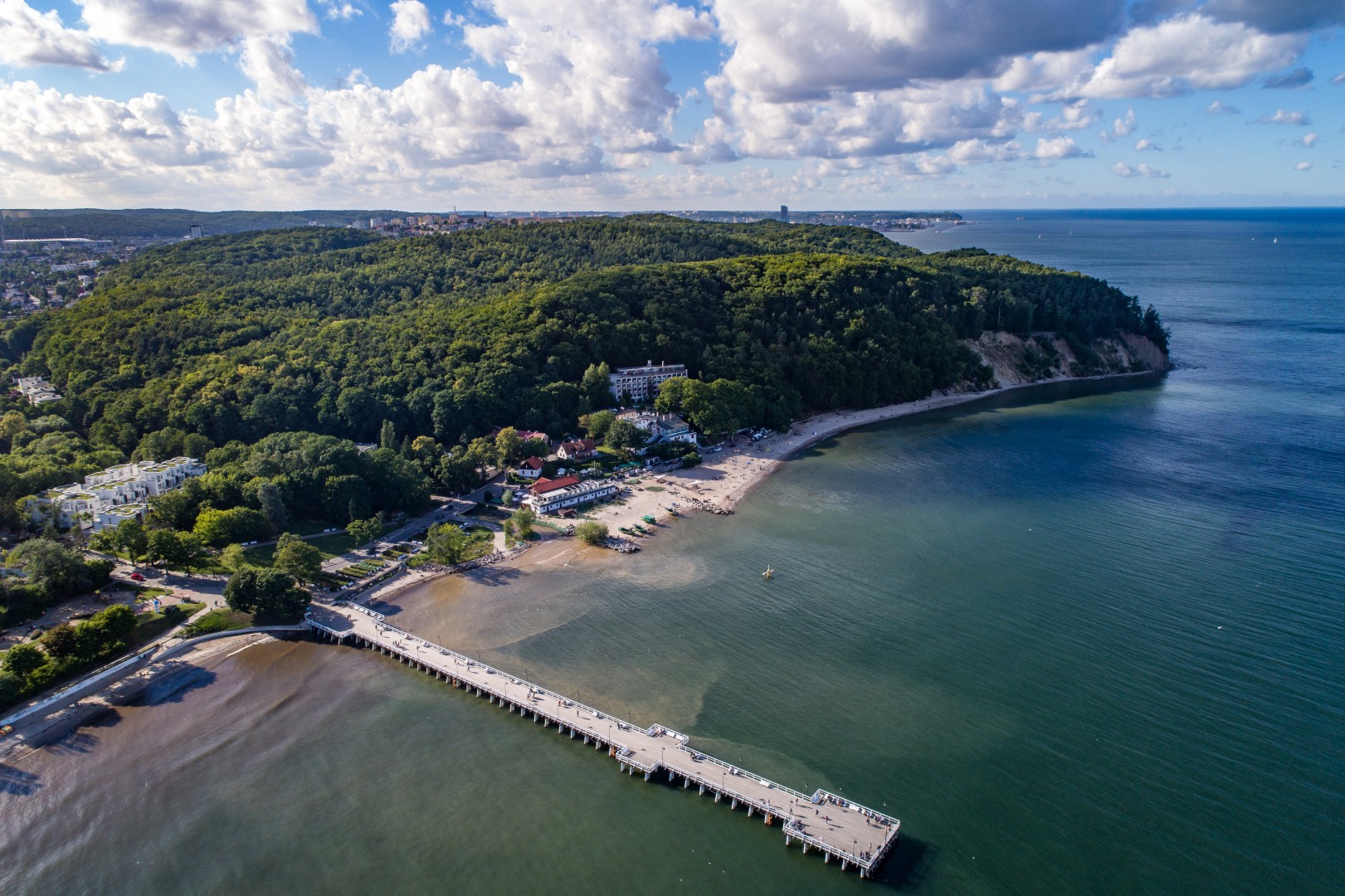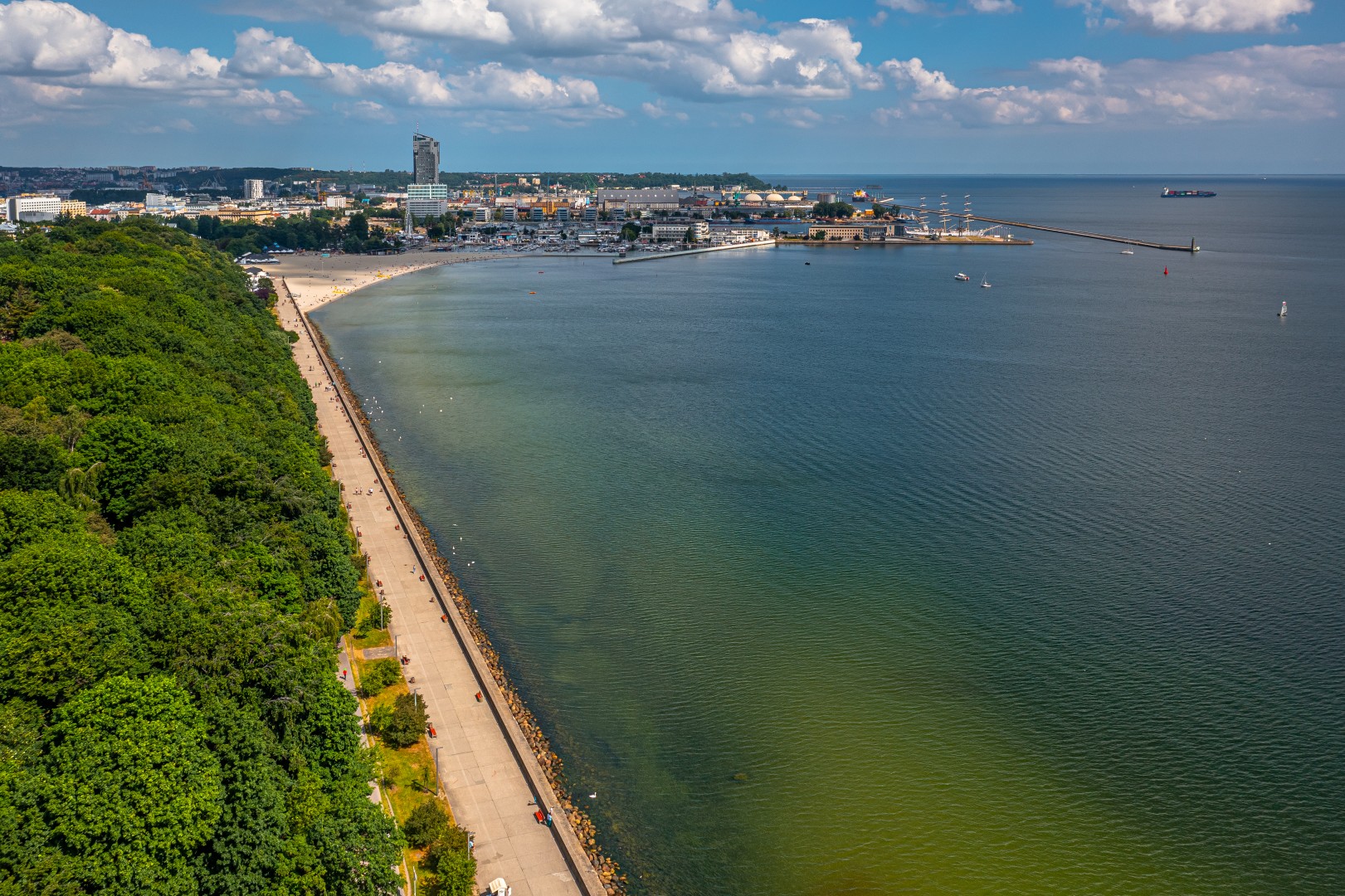
PPNT Gdynia
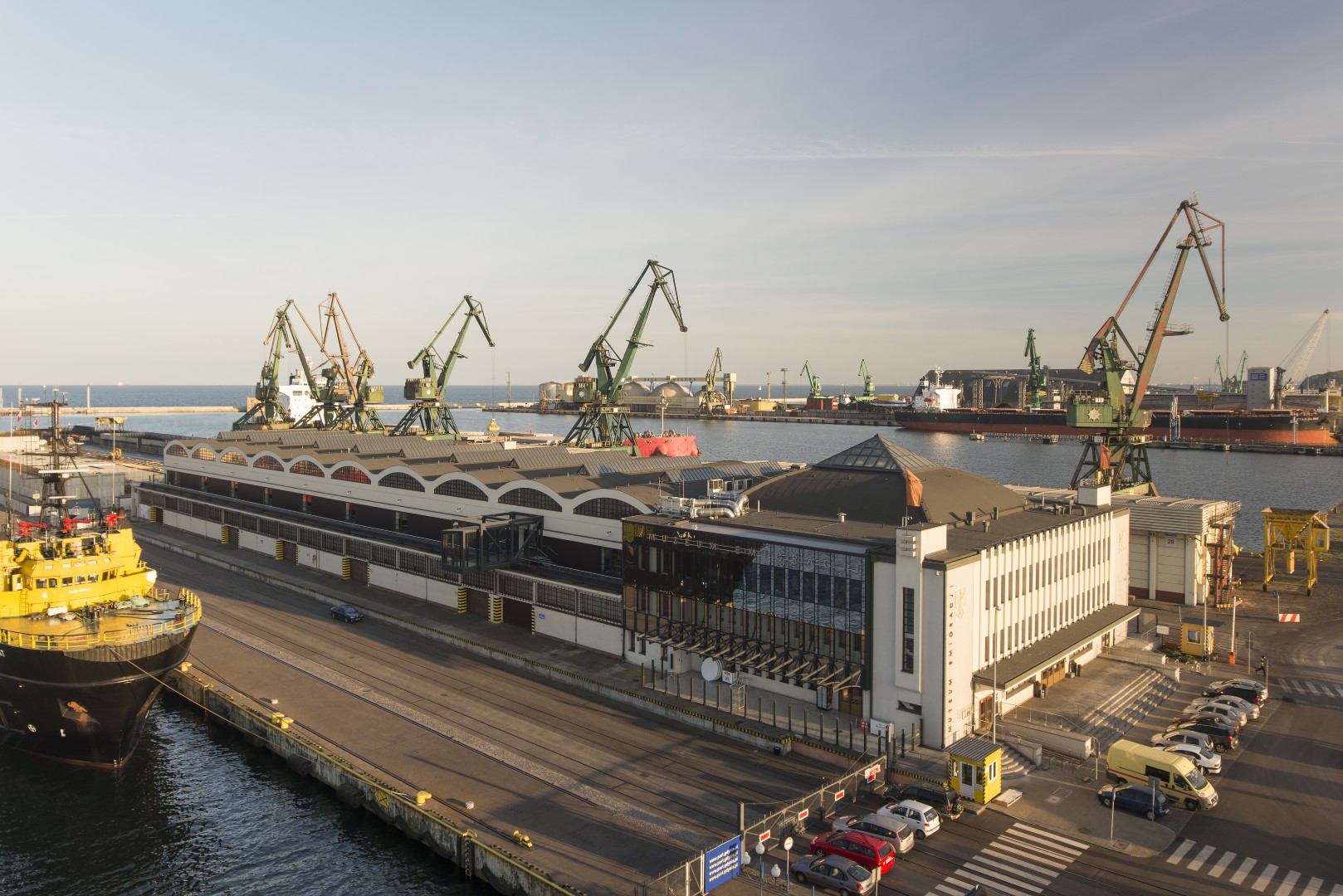
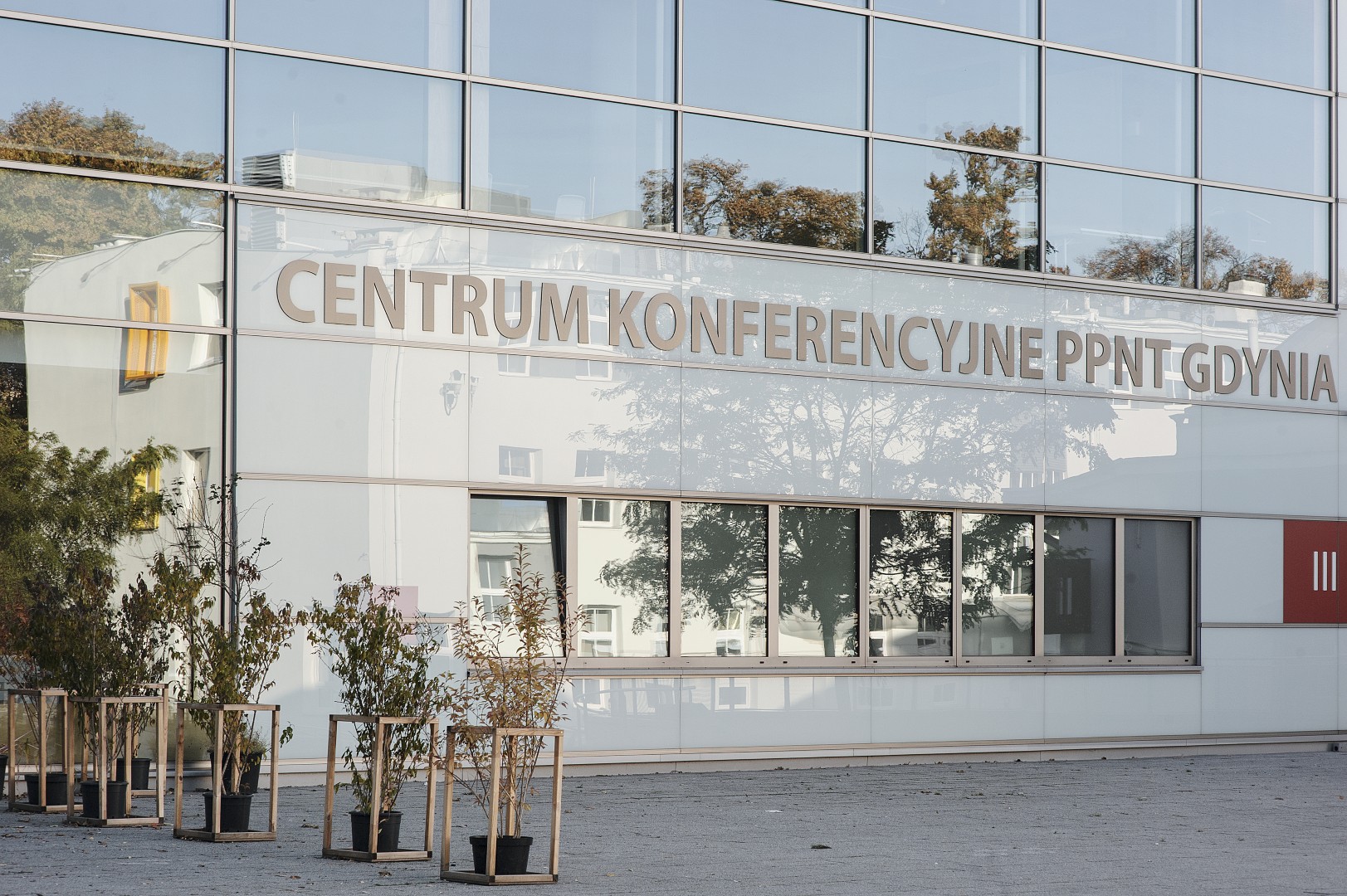
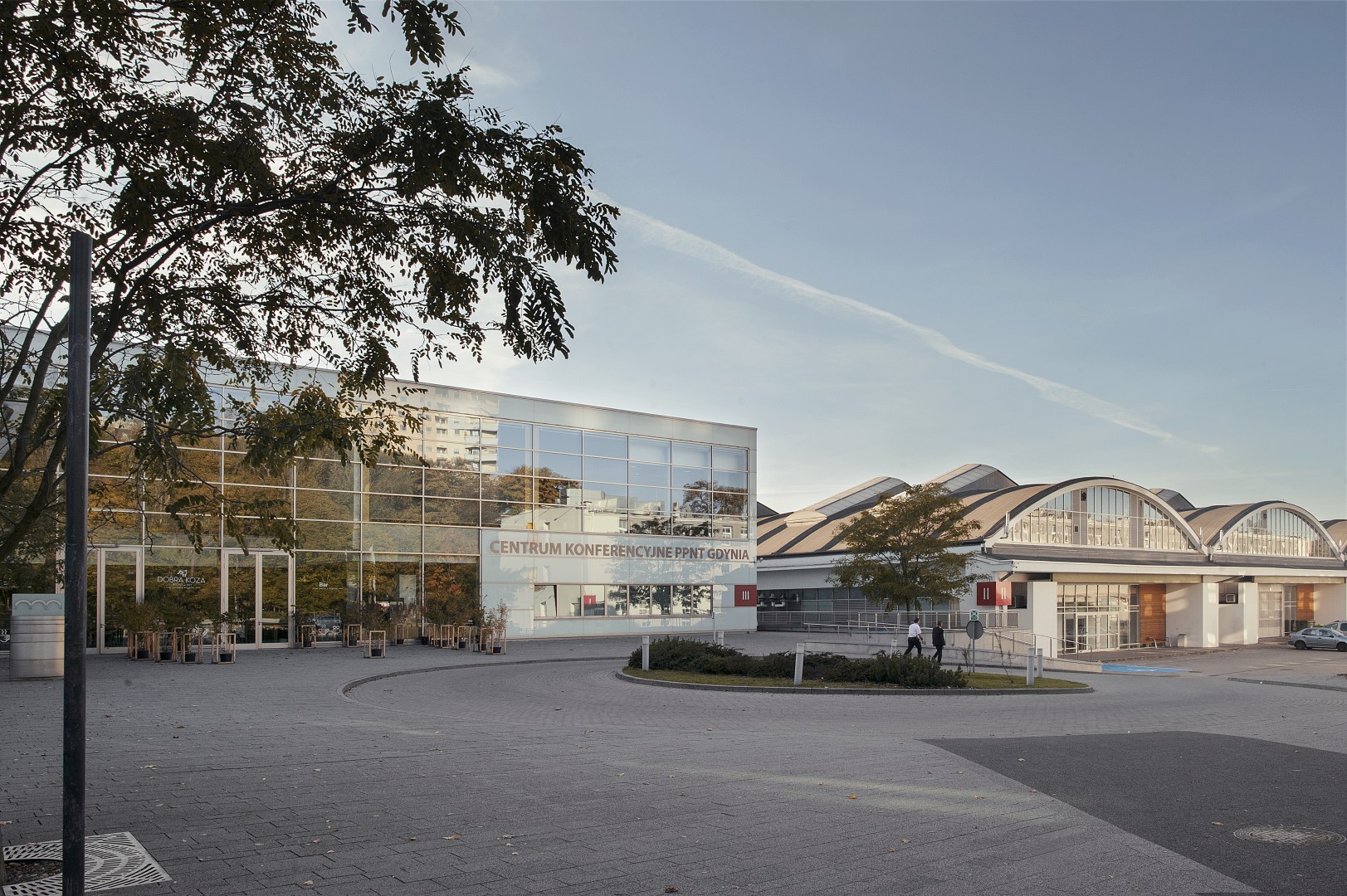
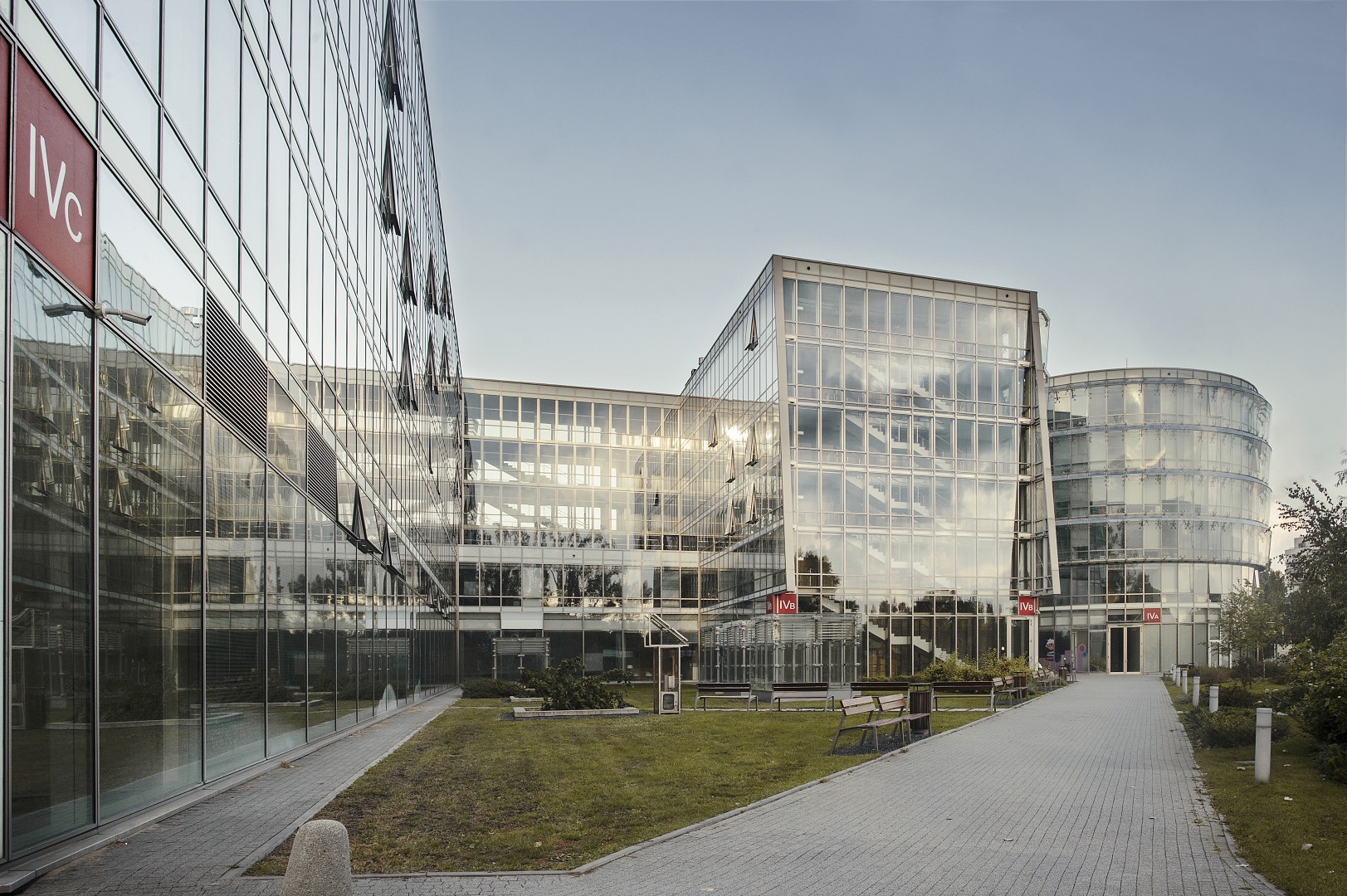
The Conference will be organized in "Centrum Konferencyjne PPNT Gdynia", Gdynia, Poland - more details coming soon !
Gdynia City
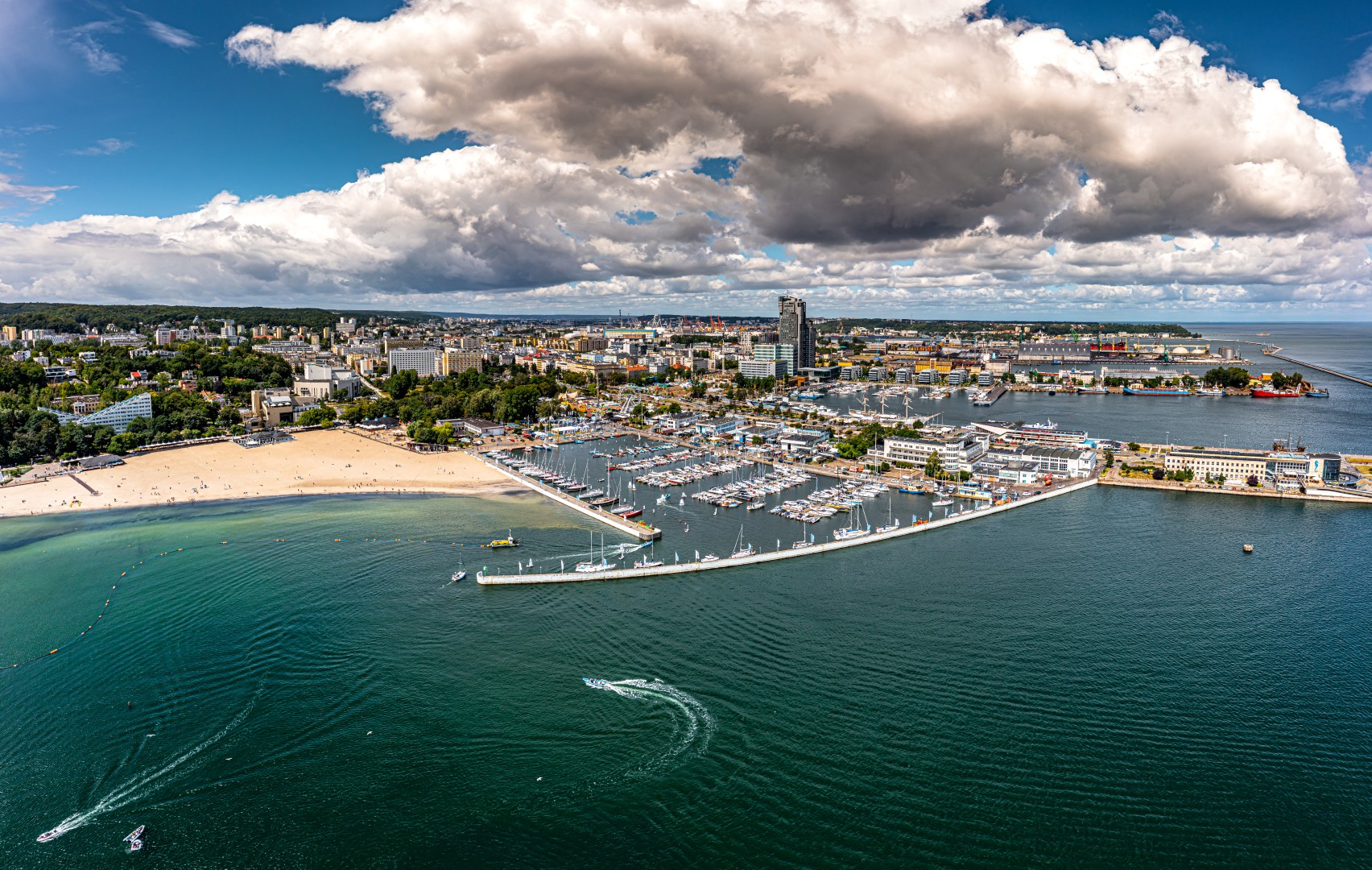
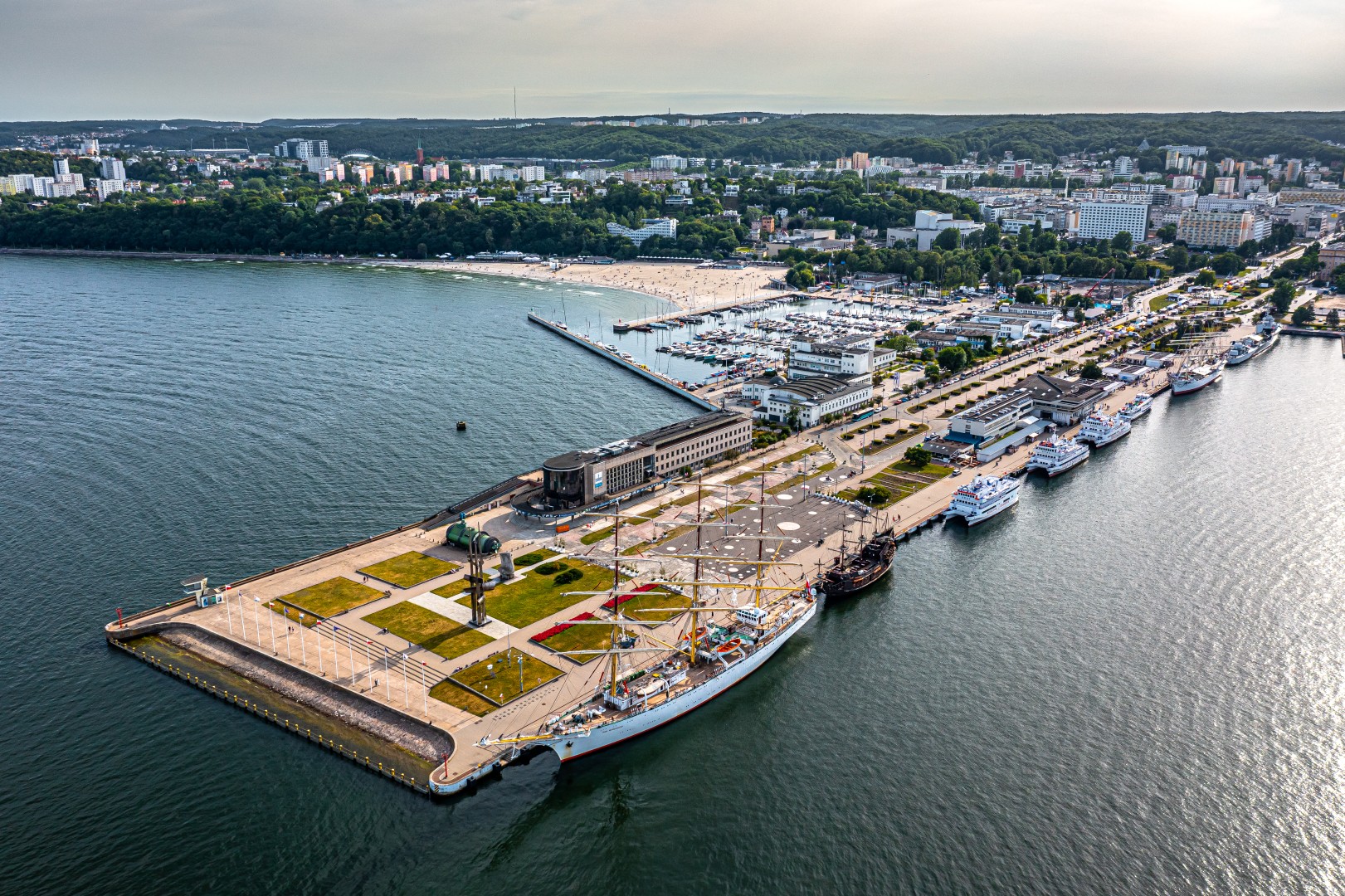
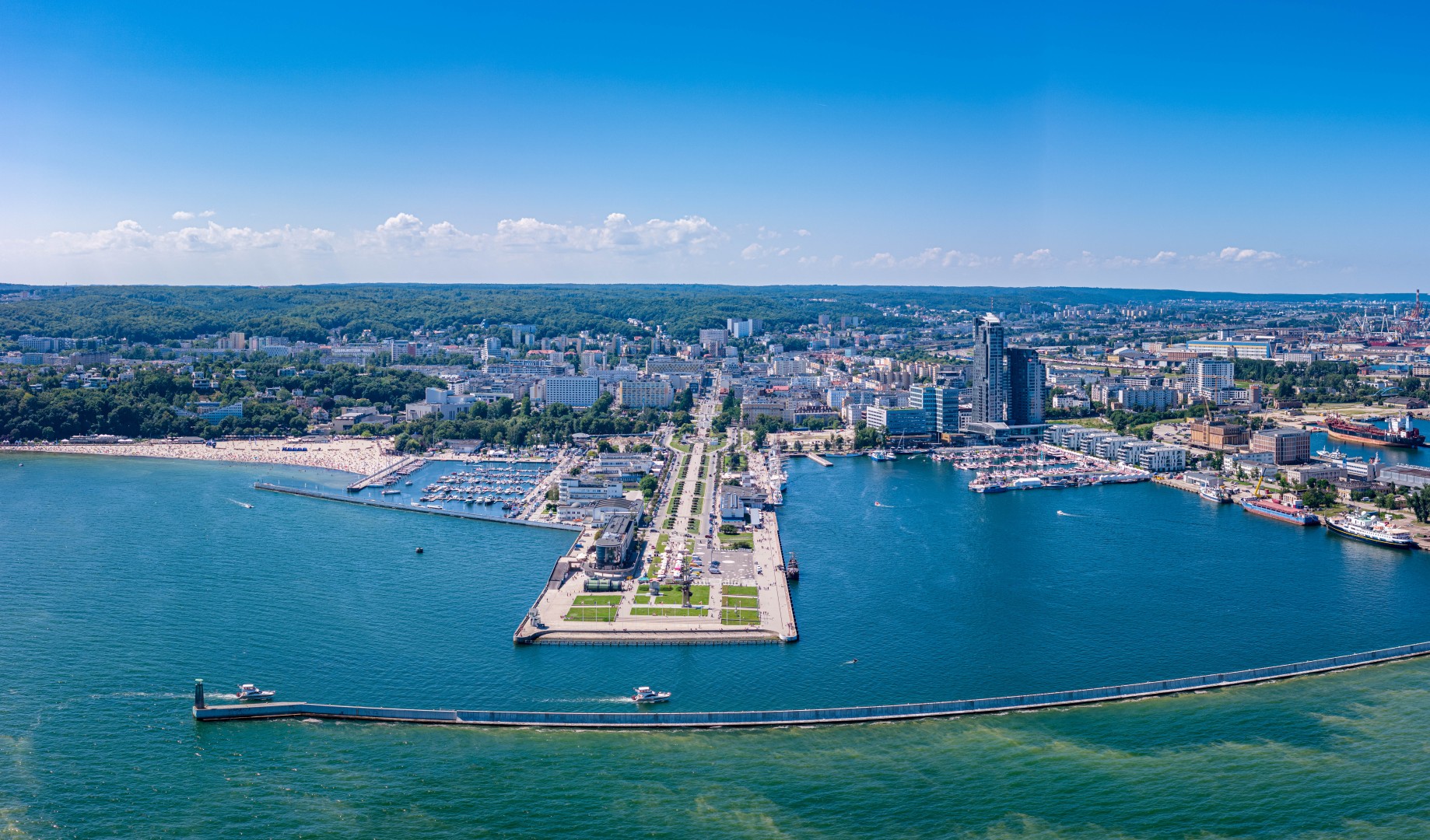
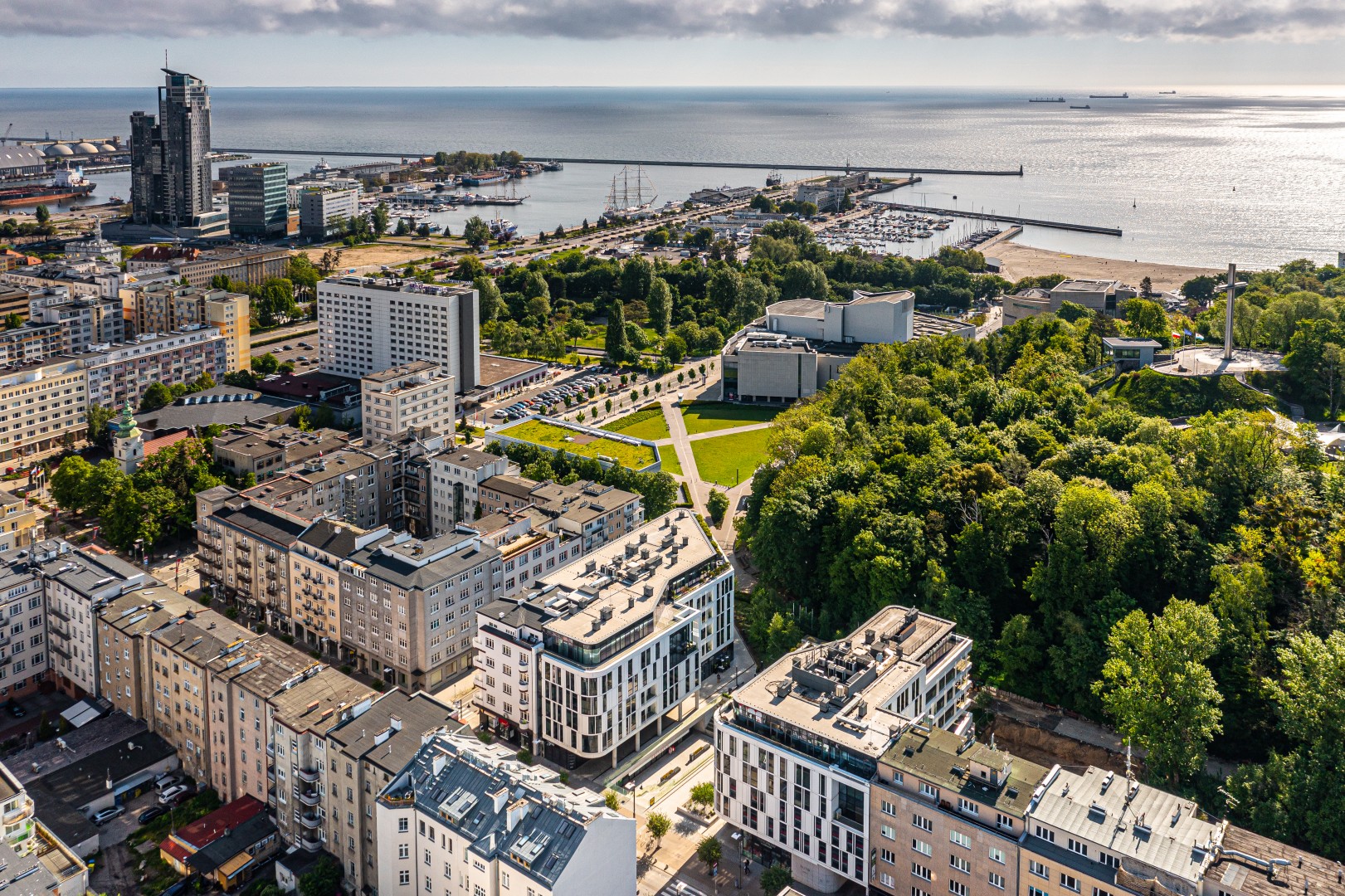
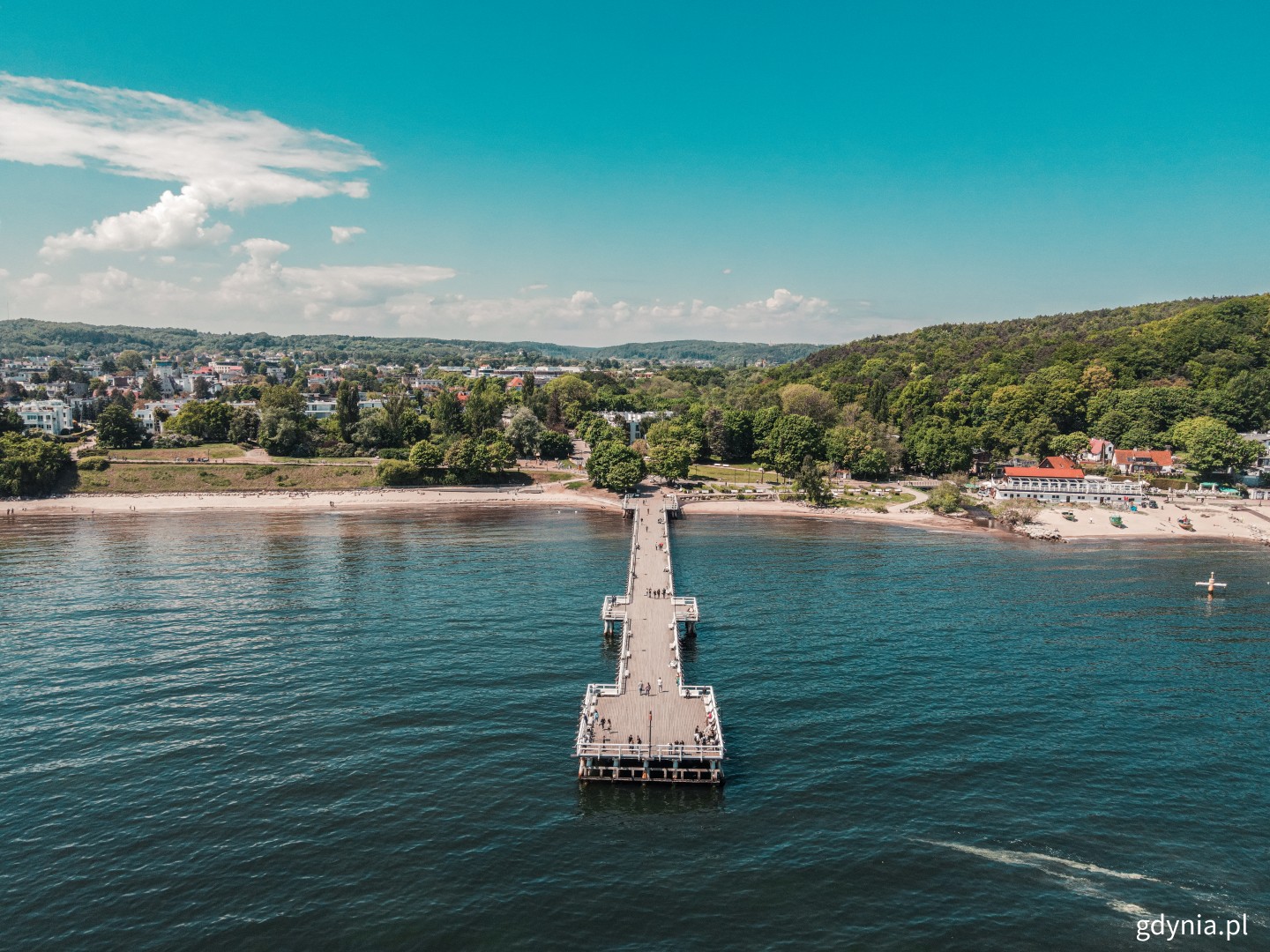
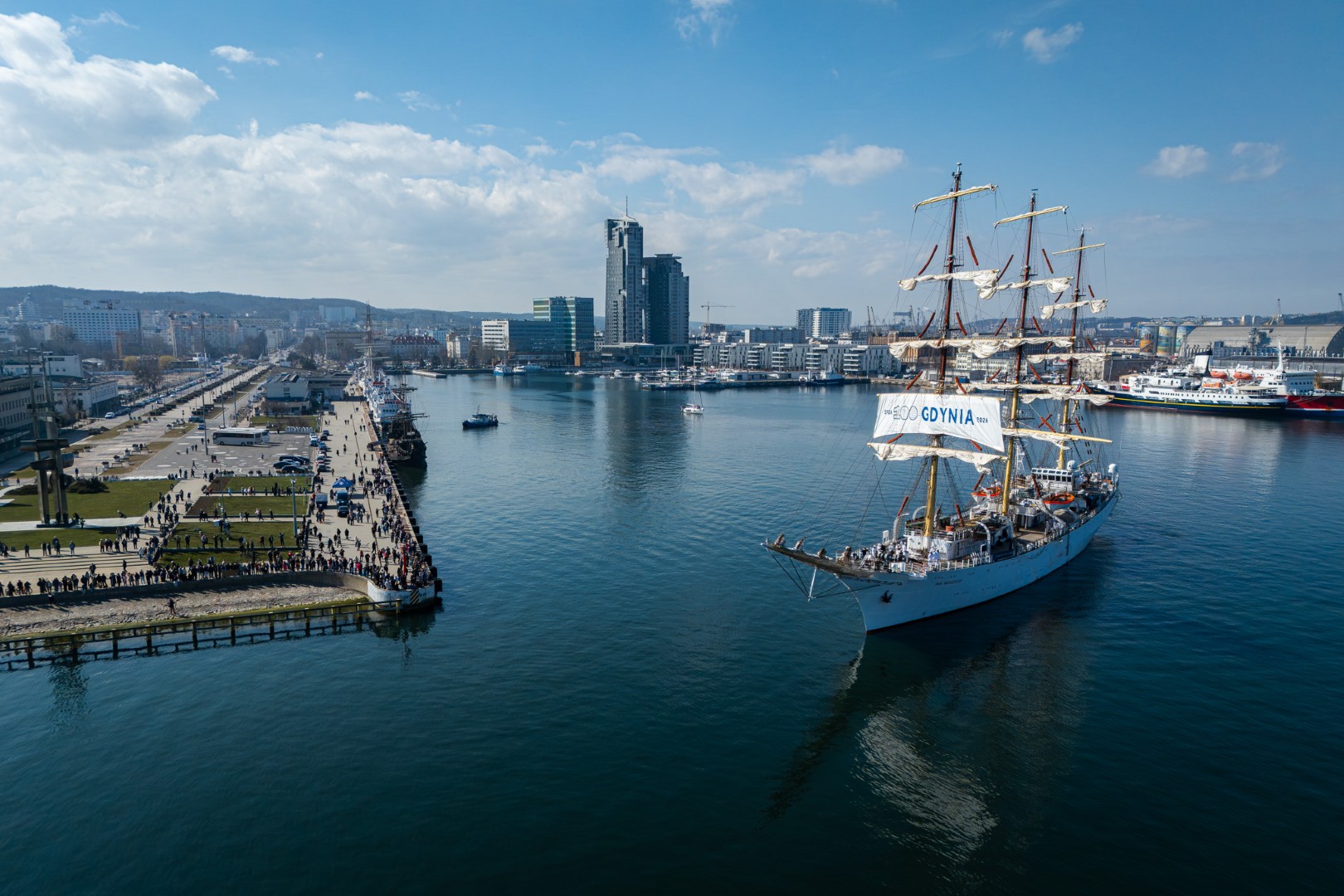
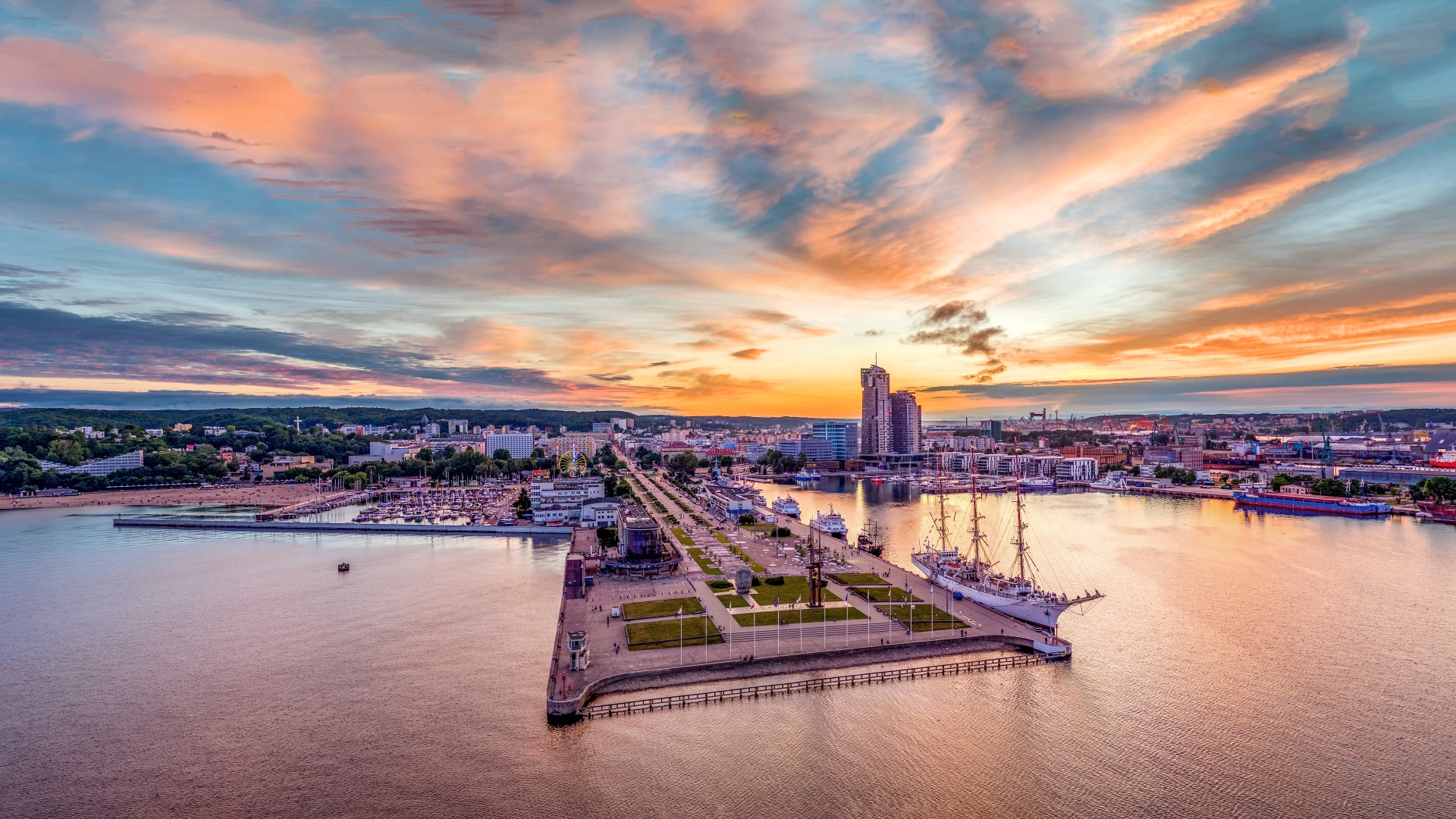
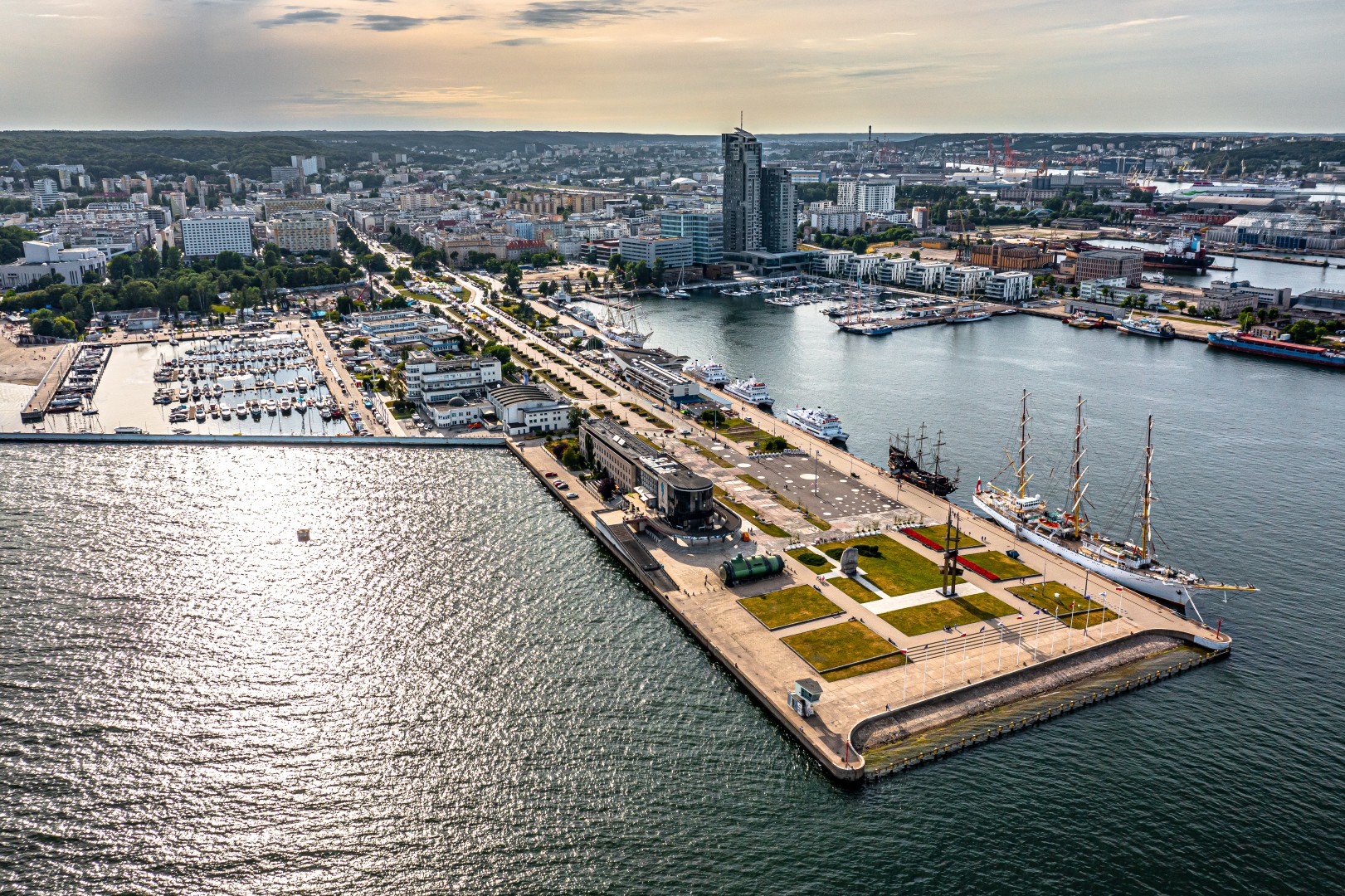
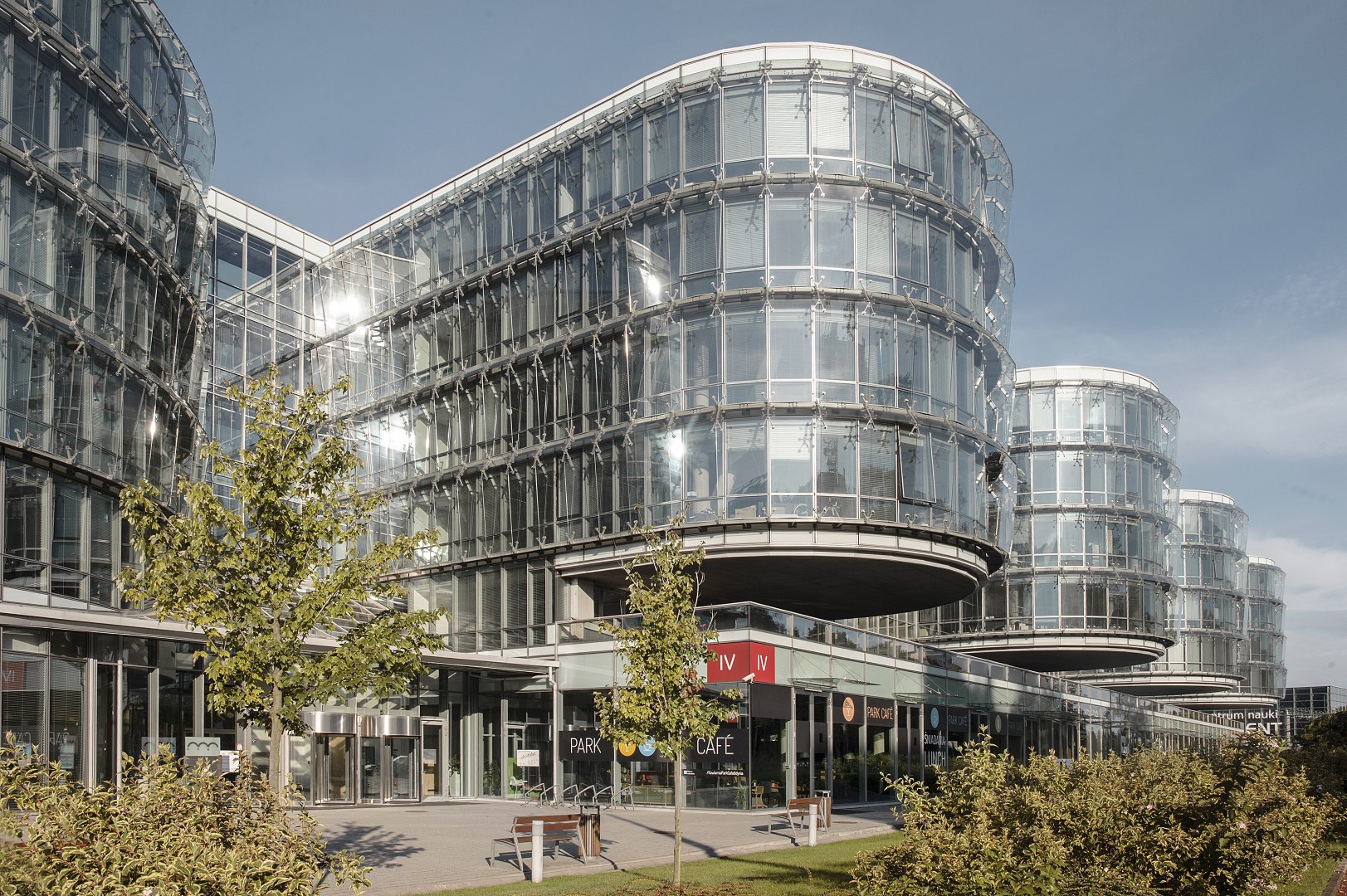
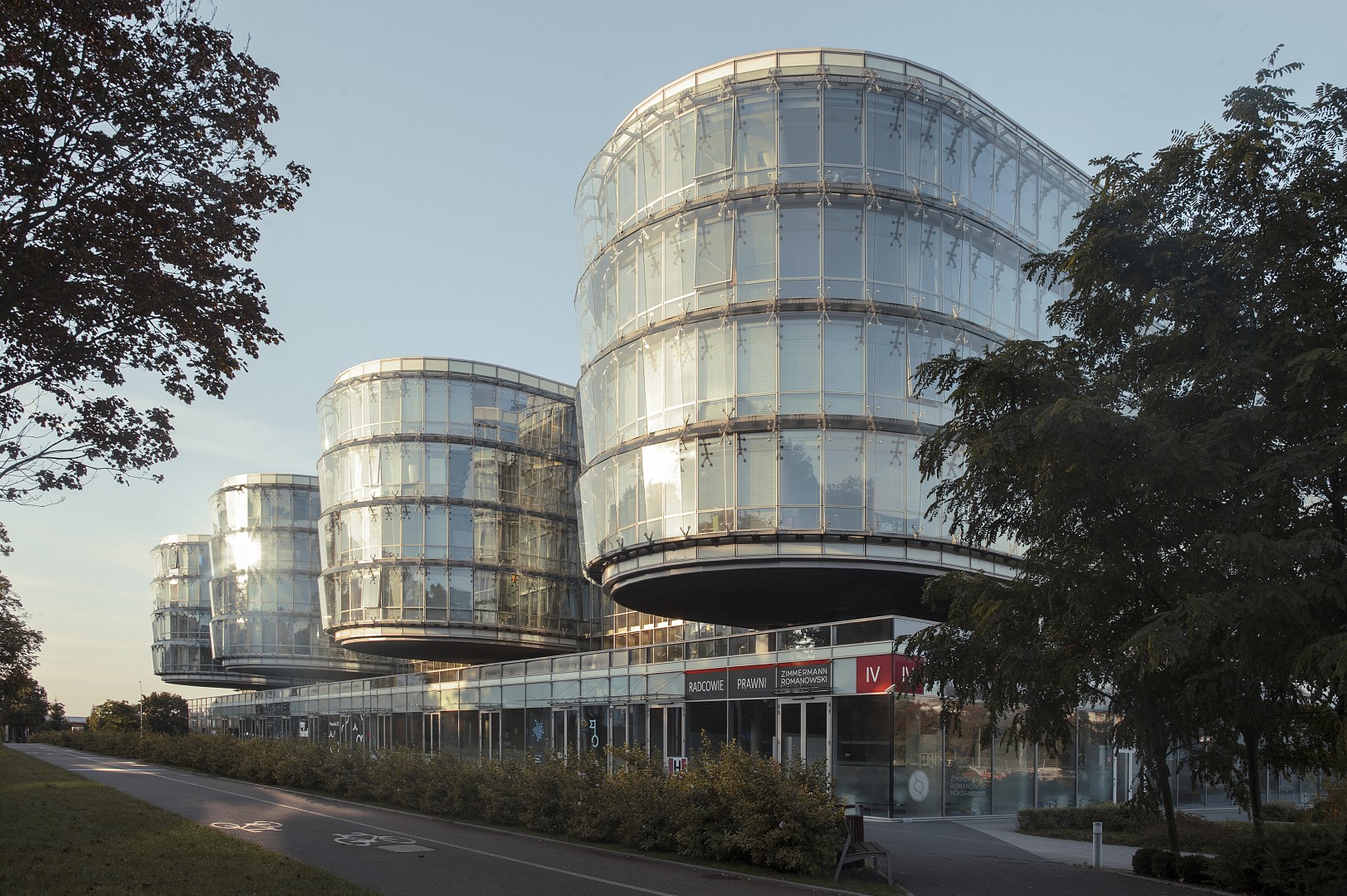
Gdynia is a city in northern Poland and a seaport on the Baltic Sea coast. With a population of c. 239,000, it is the 12th-largest city in Poland and the second-largest in the Pomeranian Voivodeship after Gdańsk. Gdynia is part of a conurbation with the spa town of Sopot, the city of Gdańsk, and suburban communities, which together form a metropolitan area called the Tricity (Trójmiasto) with around one million inhabitants. Gdynia is the largest city in Poland not to be a voivodeship capital.
Historically and culturally part of Kashubia and Eastern Pomerania, Gdynia for centuries remained a small fishing village. By the 20th-century it attracted visitors as a seaside resort town. In 1926, Gdynia was granted city rights after which it enjoyed demographic and urban development, with a modernist cityscape. It became a major seaport city of Poland. In 1970, protests in and around Gdynia contributed to the rise of the Solidarity movement in nearby Gdańsk [https://en.wikipedia.org/wiki/Gdynia].
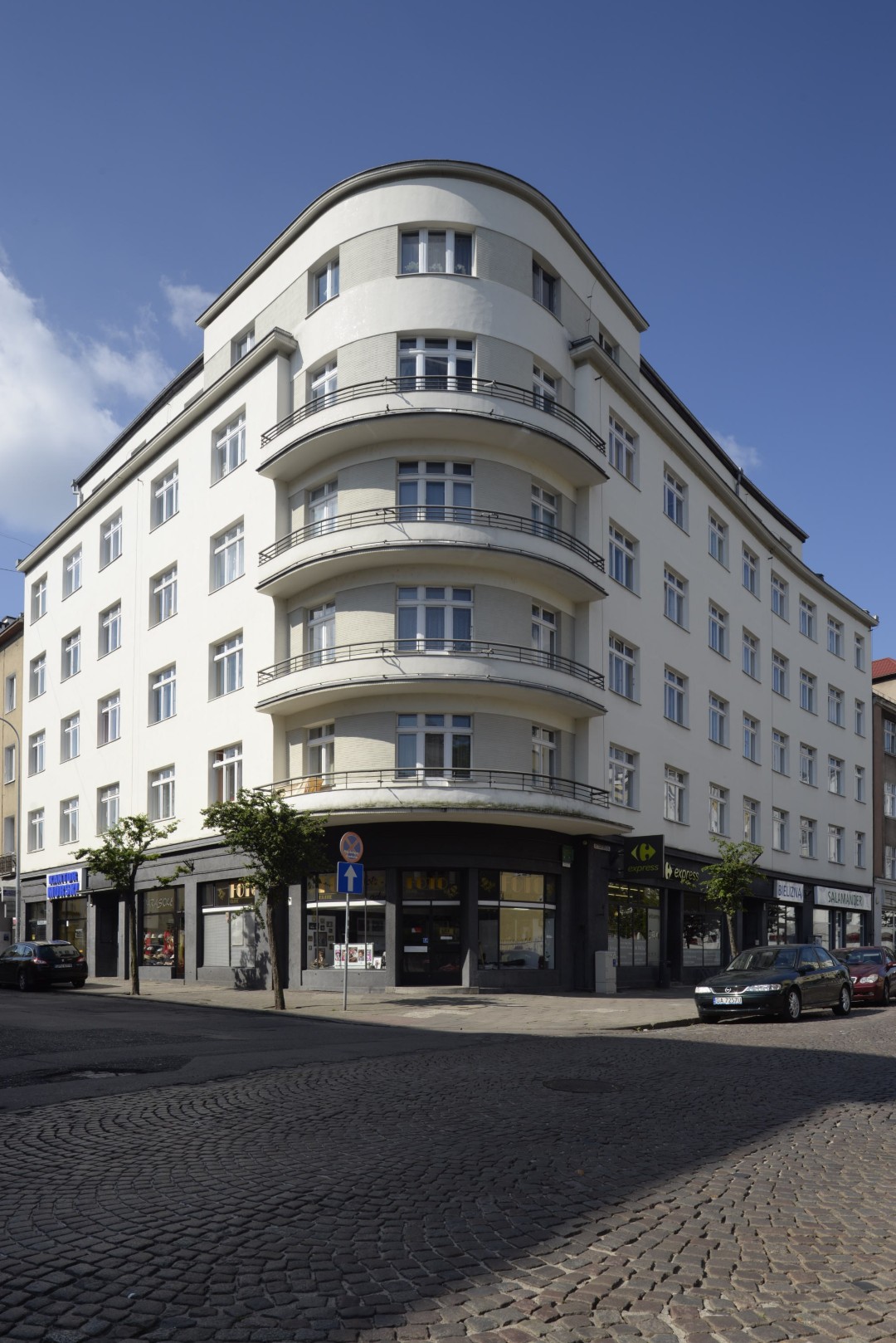
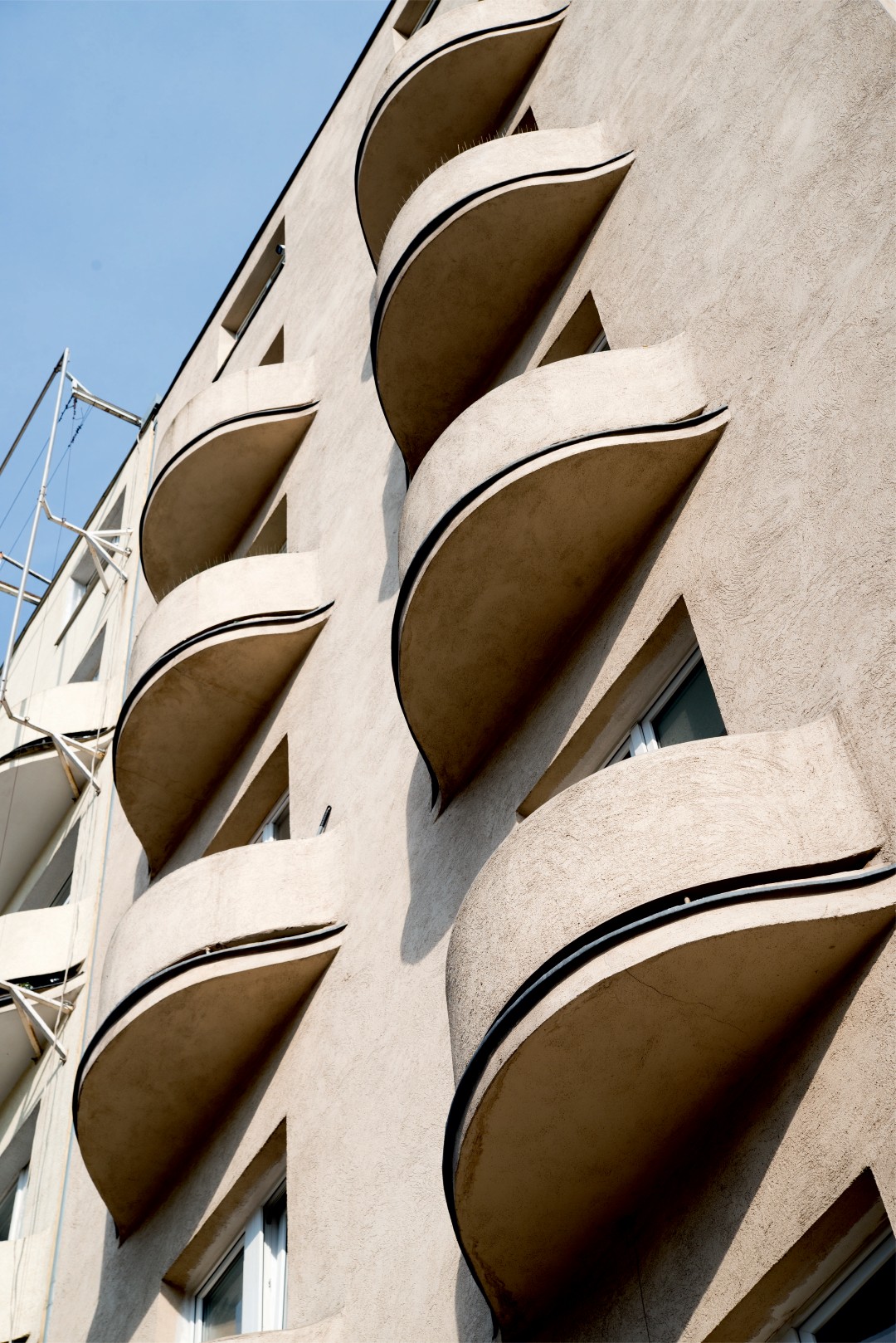
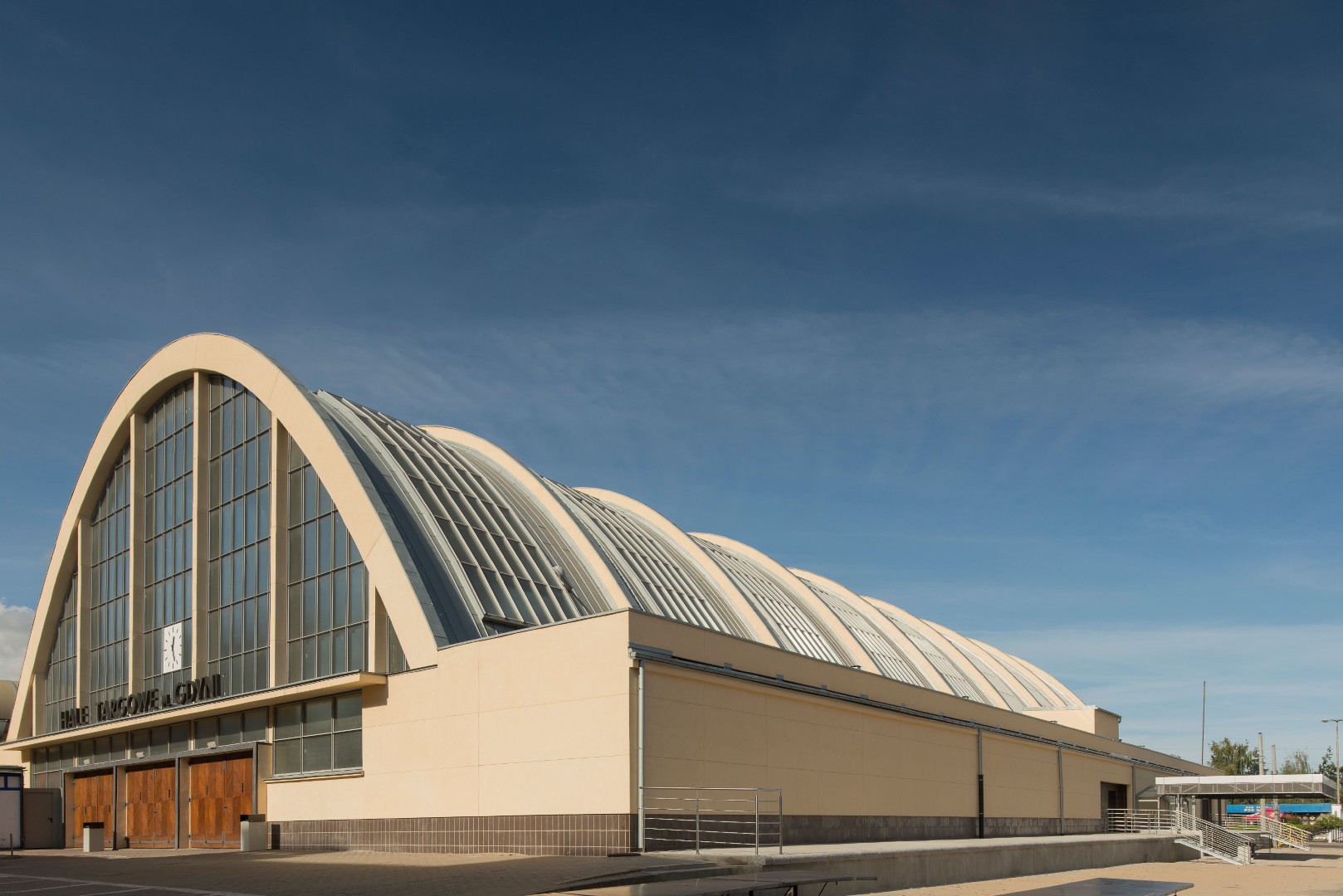
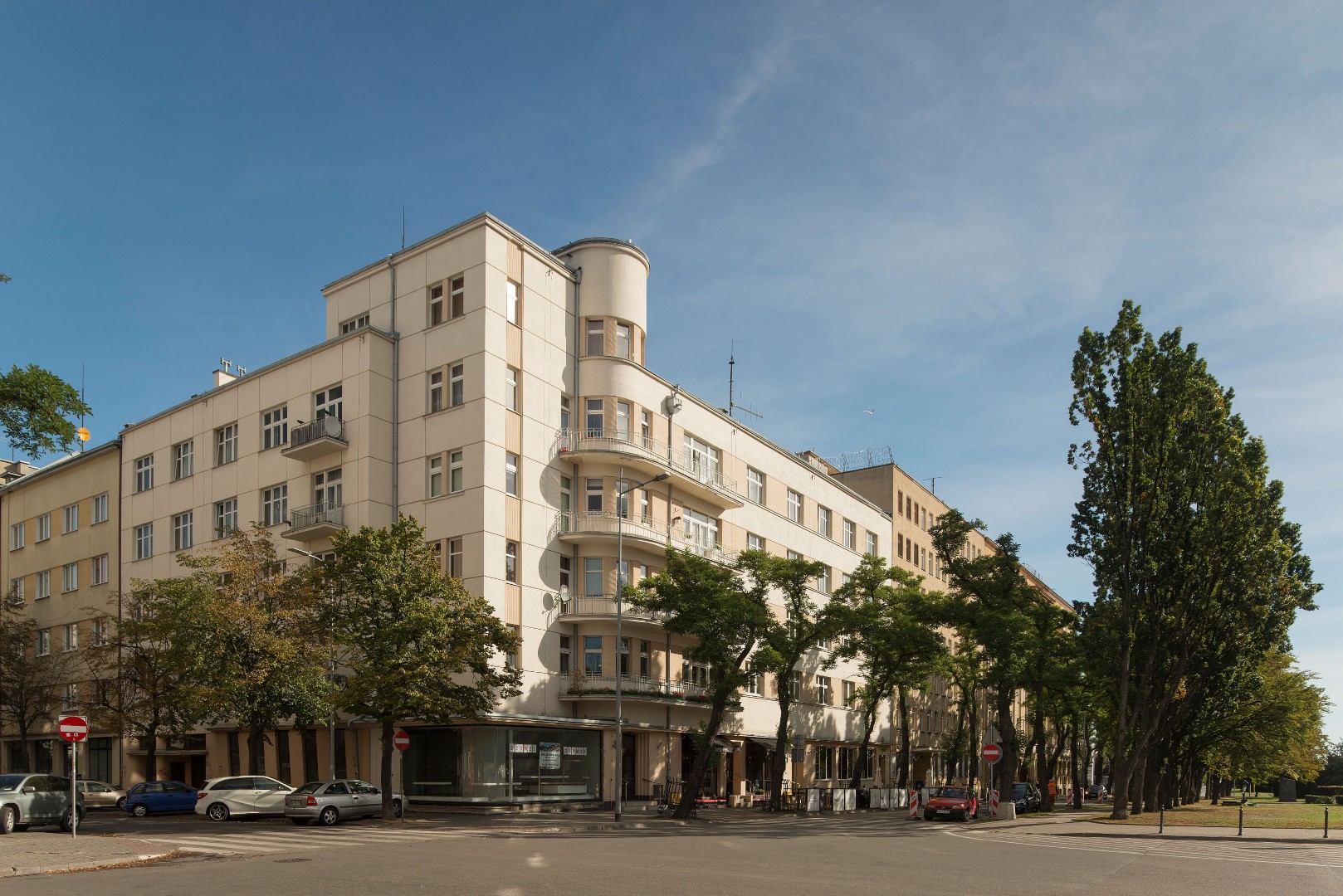
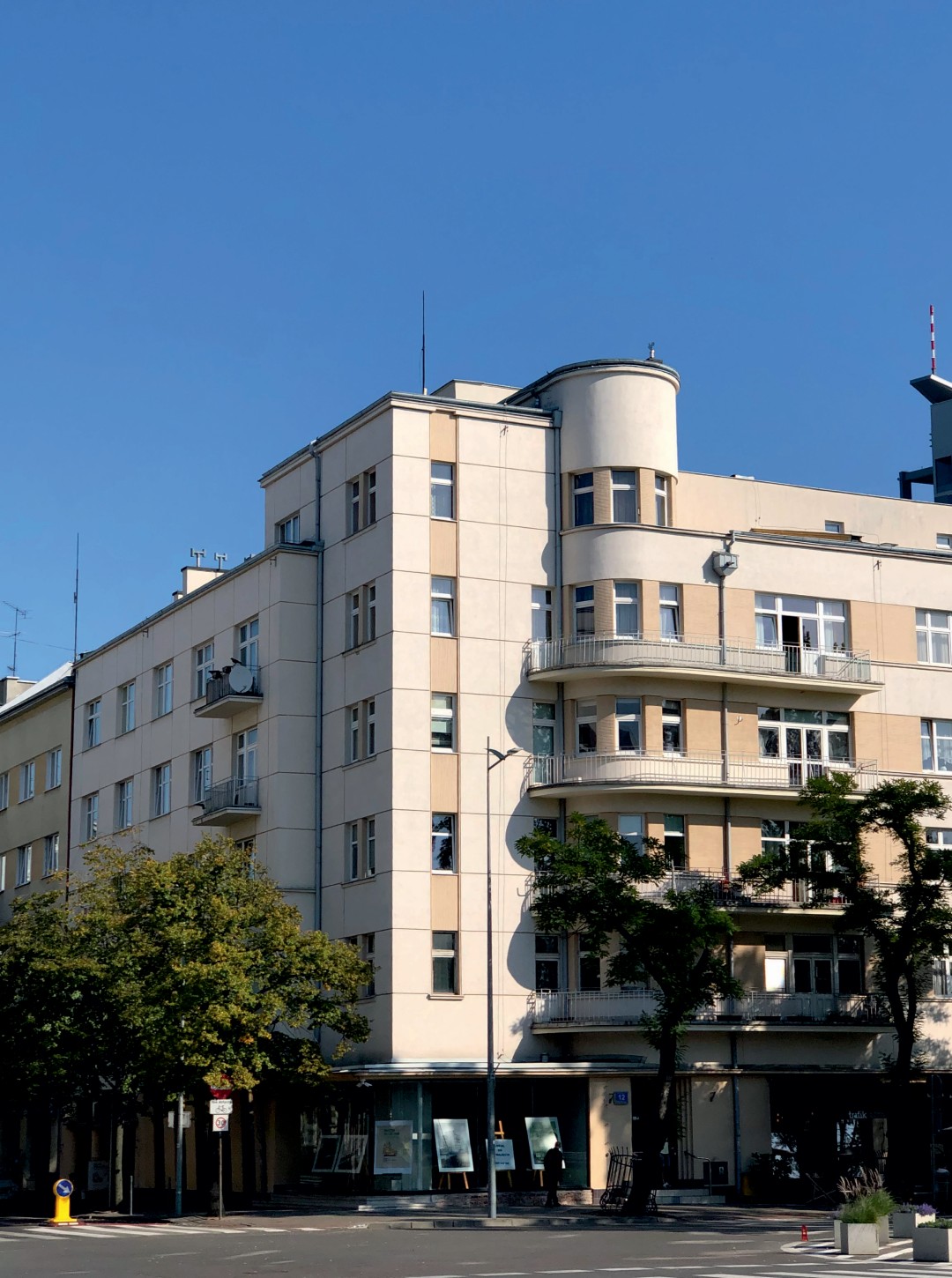
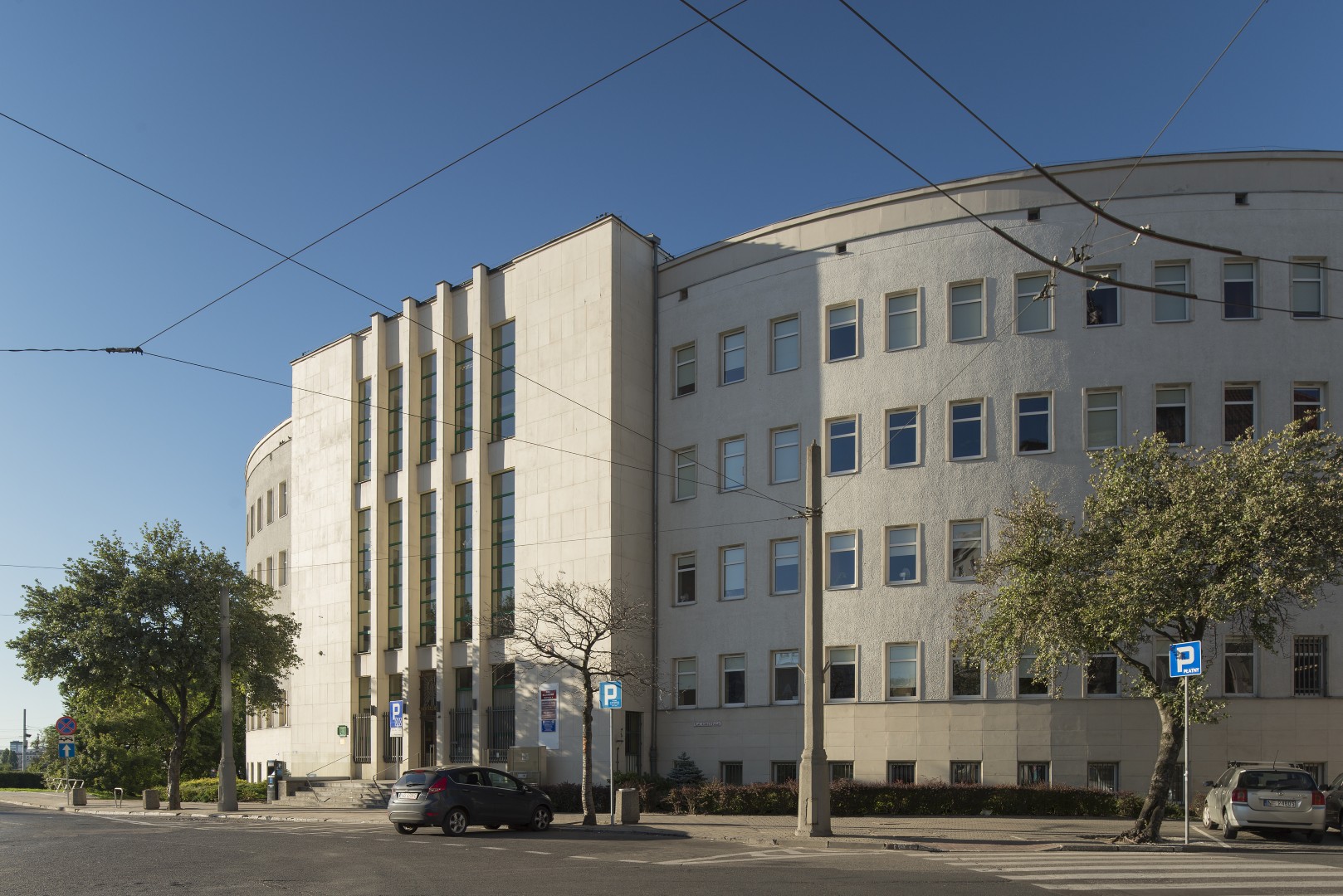
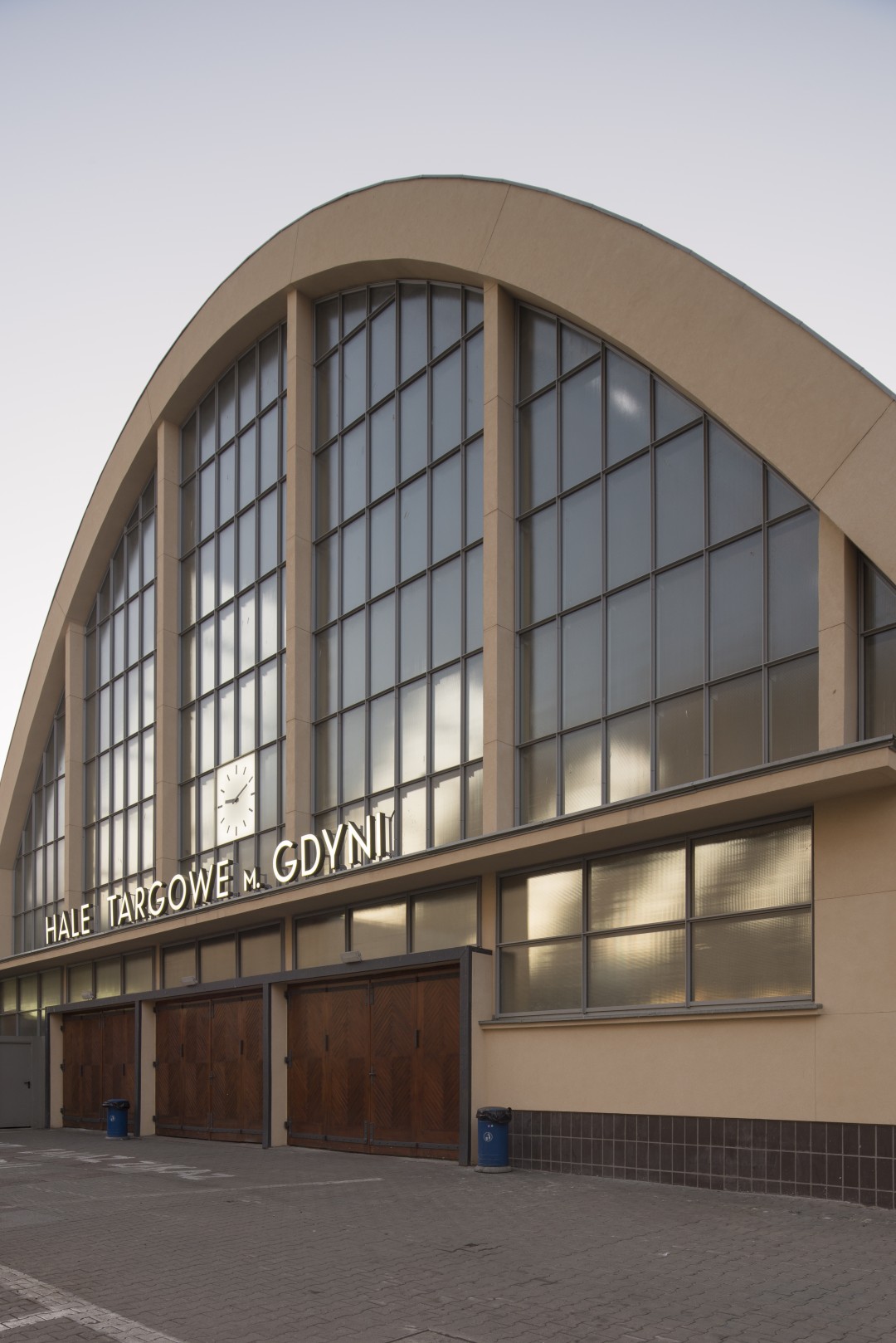
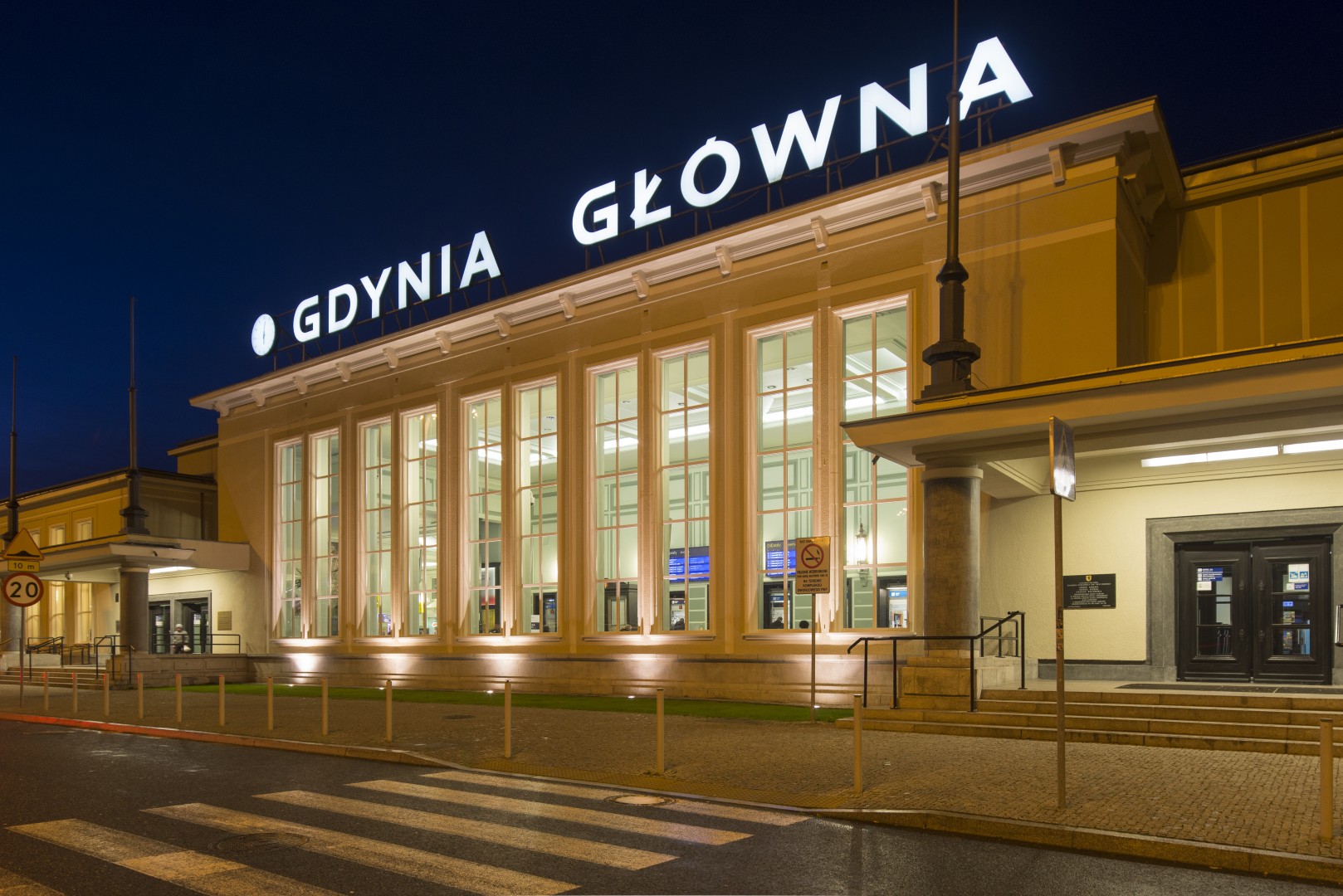
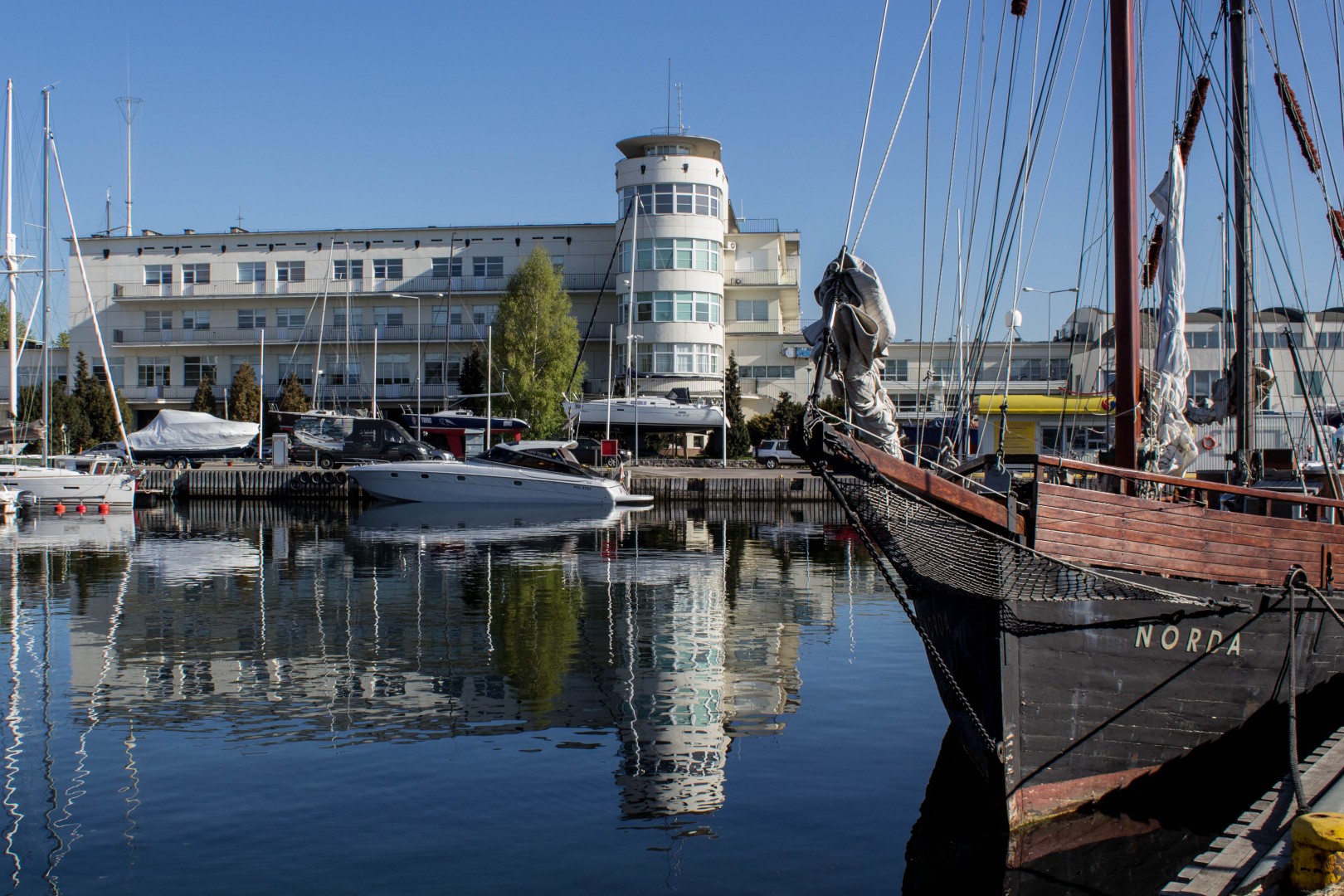
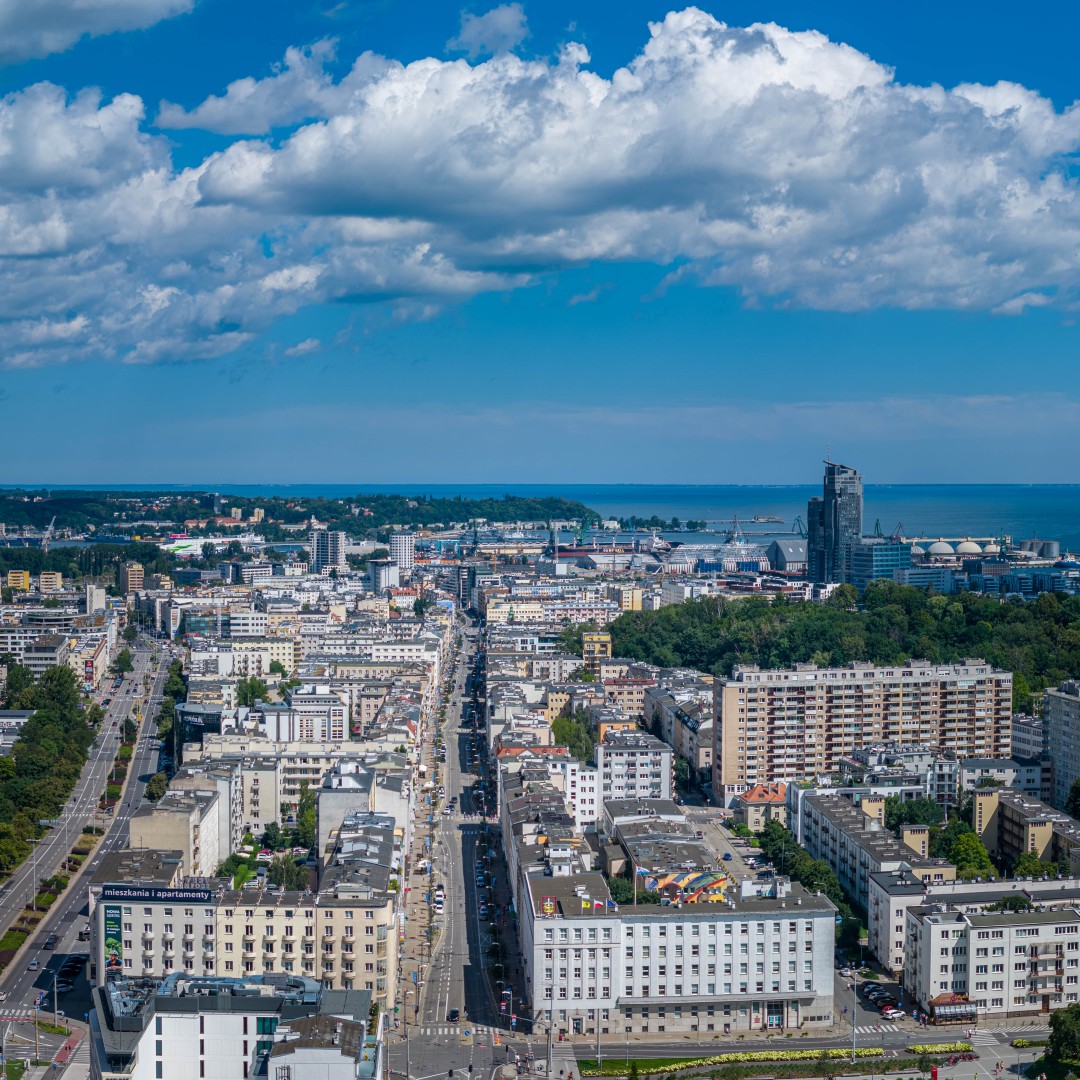
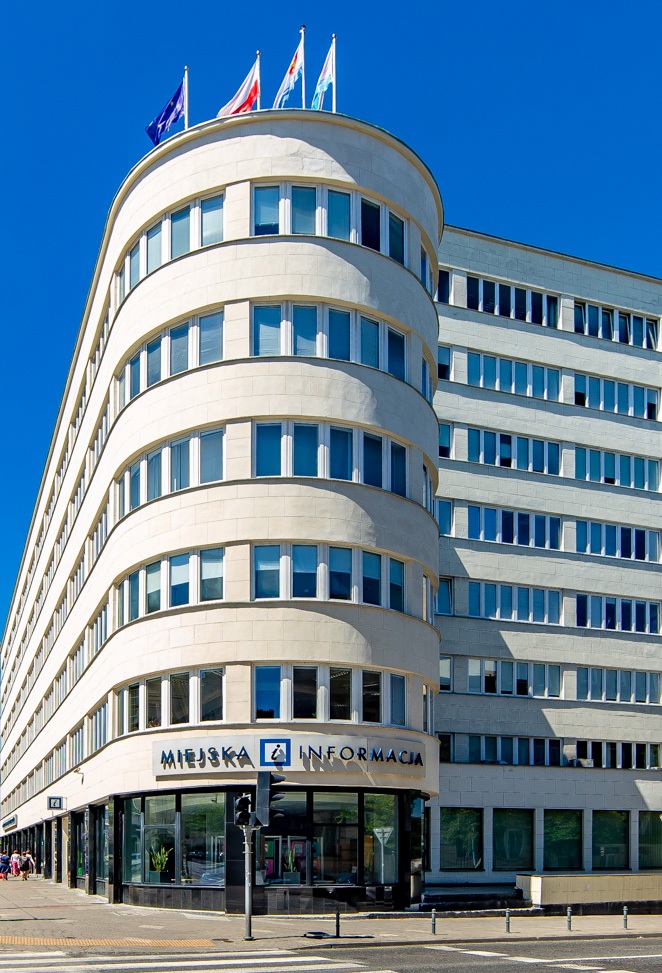
Gdynia's modernist buildings were inscribed on the list of UNESCO World Heritage Sites. The designated area includes the city centre (Śródmieście) and Kamienna Góra, together with architectural landmarks built before the war.